The Chinese Lady | Trailer
2026, 16mm, with sound, 6 min 43 sec
Screener of the film is available upon request
This short film reimagines the story of Afong Moy, the first documented Chinese woman to arrive in the United States in 1834. Brought from Guangzhou to New York City by two American merchants, Moy was exhibited as part of a touring display promoting Chinese “curiosities” and imported goods. Spectators wrote extensively about her “exotic” appearance, particularly her bound feet. Fragments of these historical accounts are interwoven with intimate, figurative images of a Chinese ginkgo tree planted in New York City around the same time. The film culminates in a dreamlike montage in which the entwined body of a Chinese lady unearths herself from the roots of the ginkgo tree and walks toward the Pacific Ocean. Through this imaginative resurrection, The Chinese Lady seeks to restore presence to both a woman silenced by history and a tree that has quietly borne witness across centuries.
Directed and edited by: Yuge Zhou
Produced by: Yuge Zhou, Brian Zahm
Cinematography: Brian Zahm, Lori Felker, Yuge Zhou
Sound design: Kikù Hibino
Music by: Chloe Yu Nong Lin ("Still In The Ghost Month")
Re-recording mixer: Troy Cruz
Color correction: Colin Mason
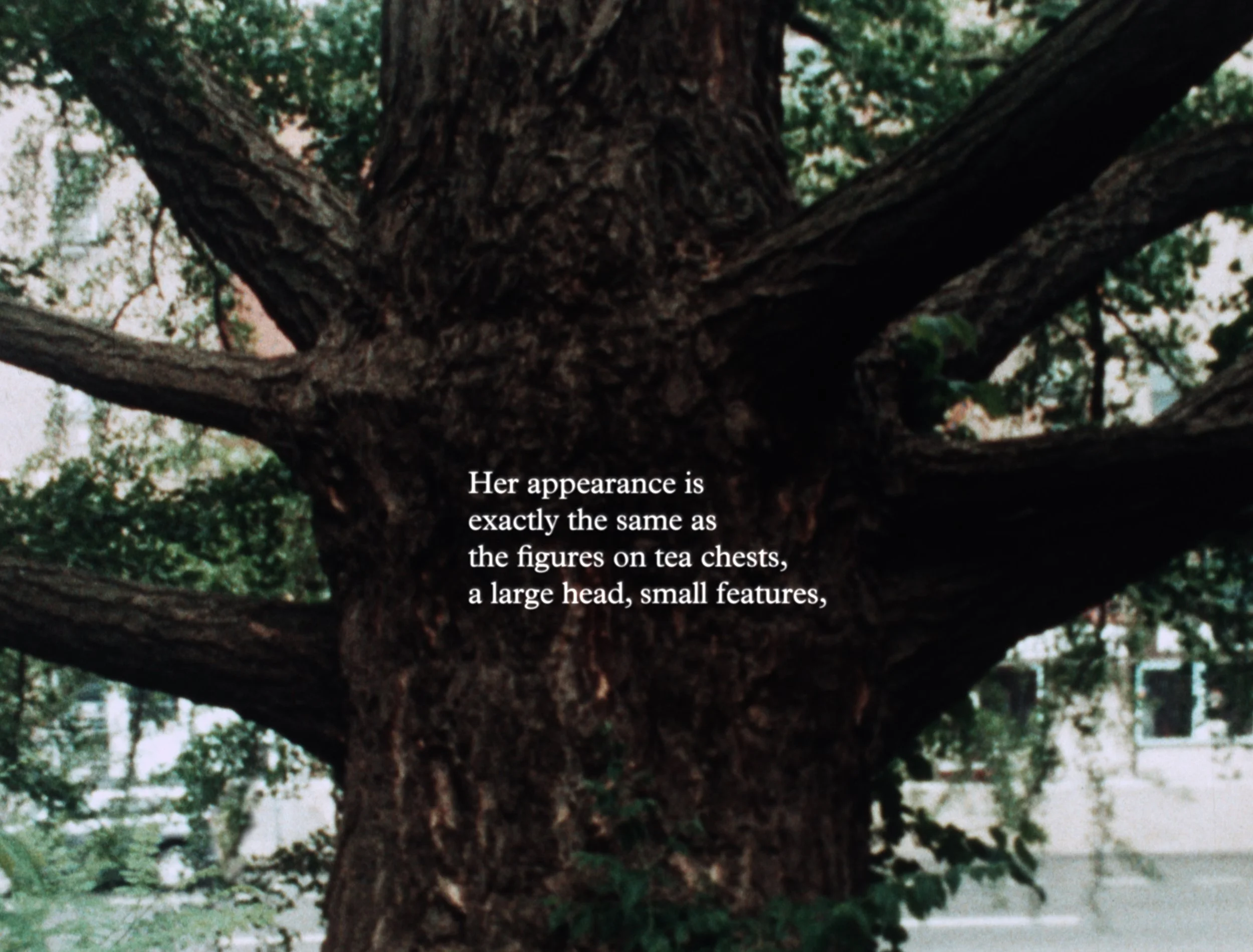
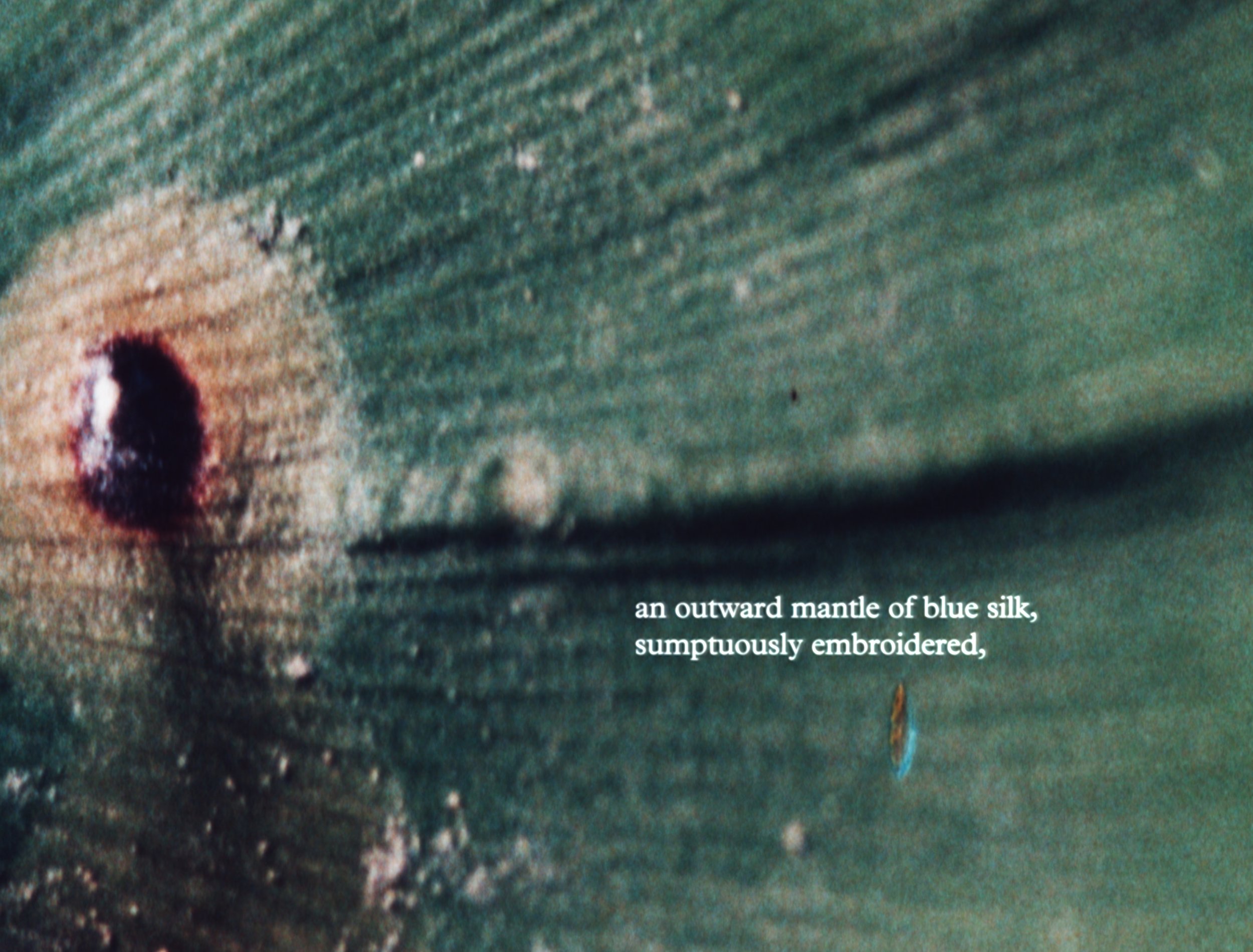
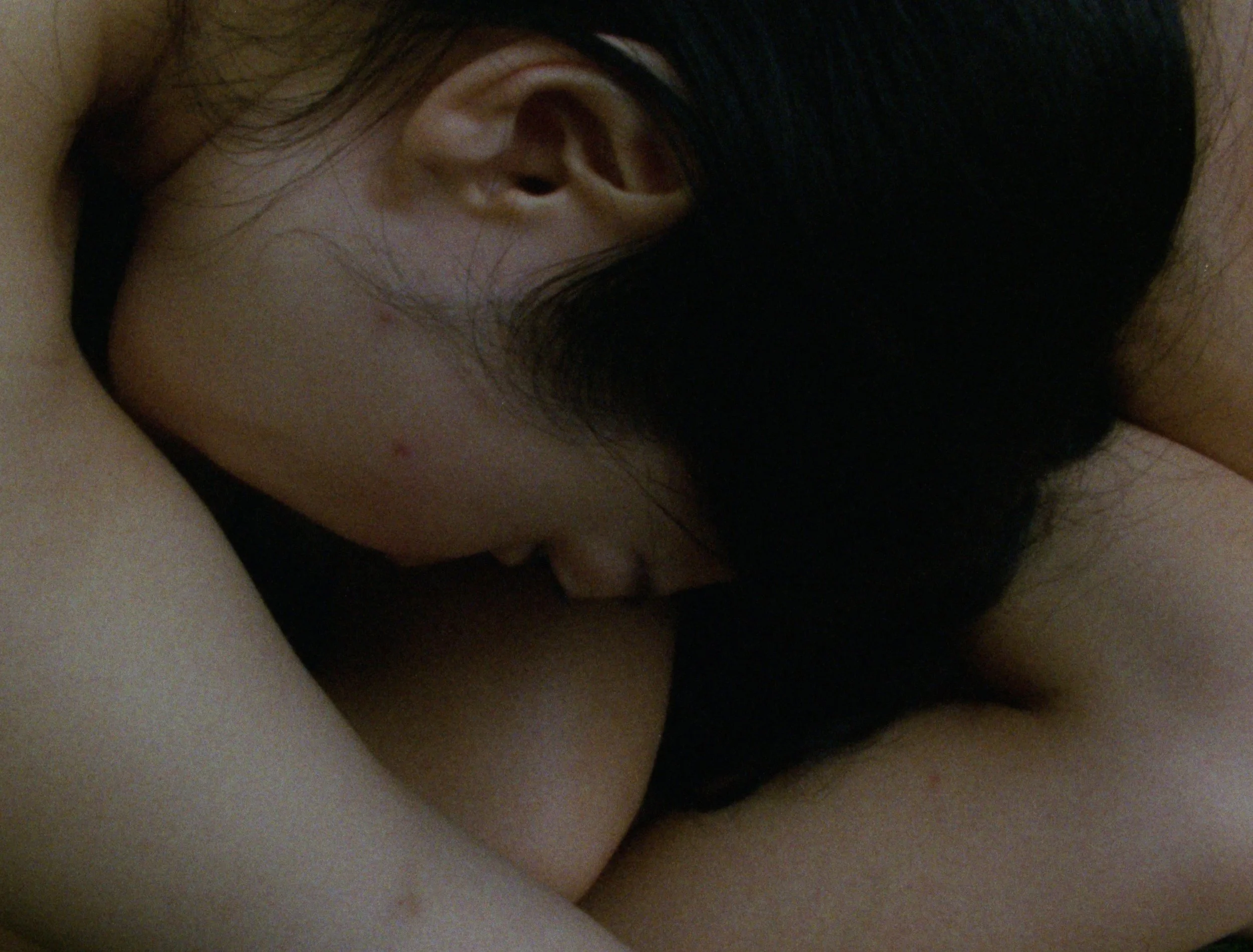
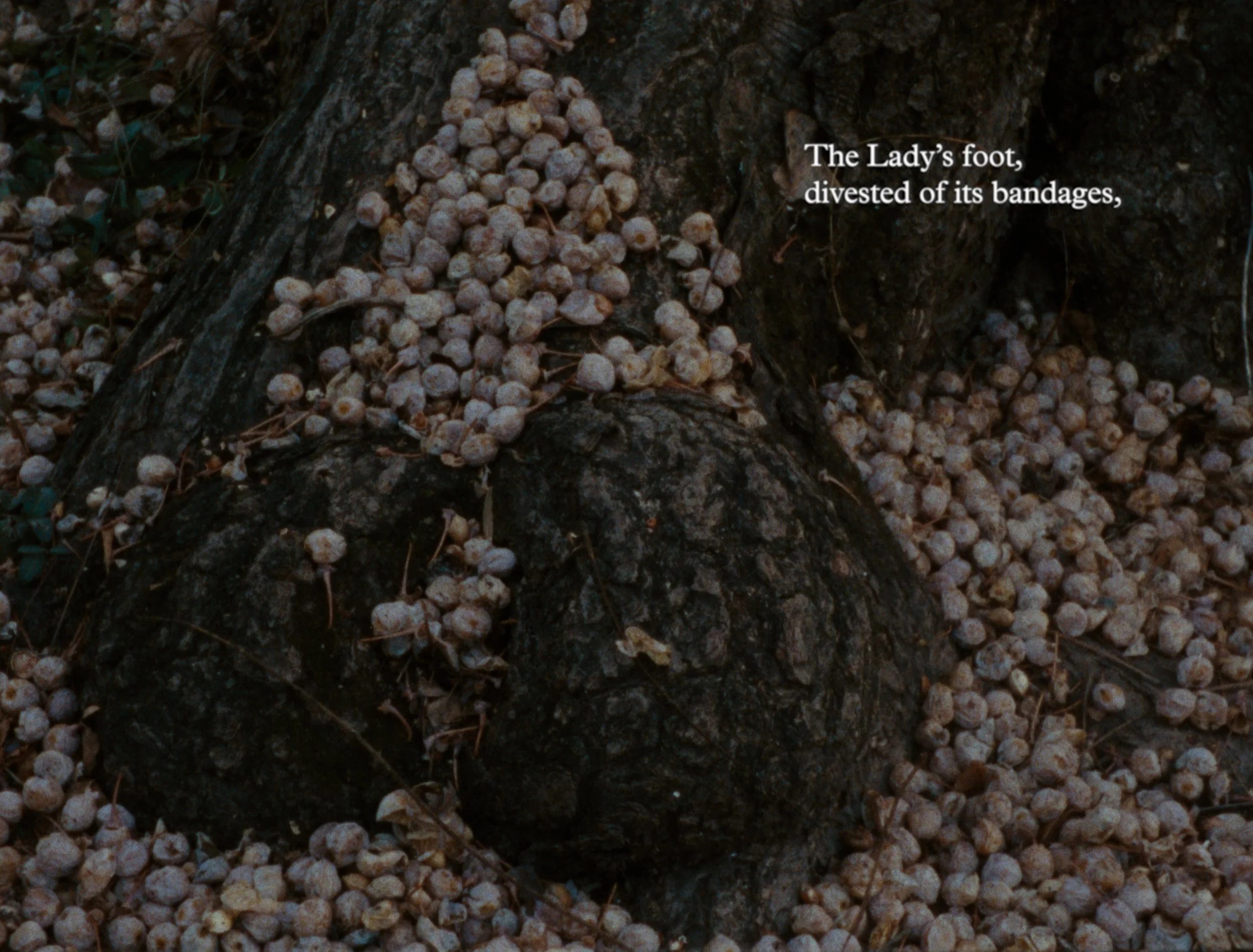
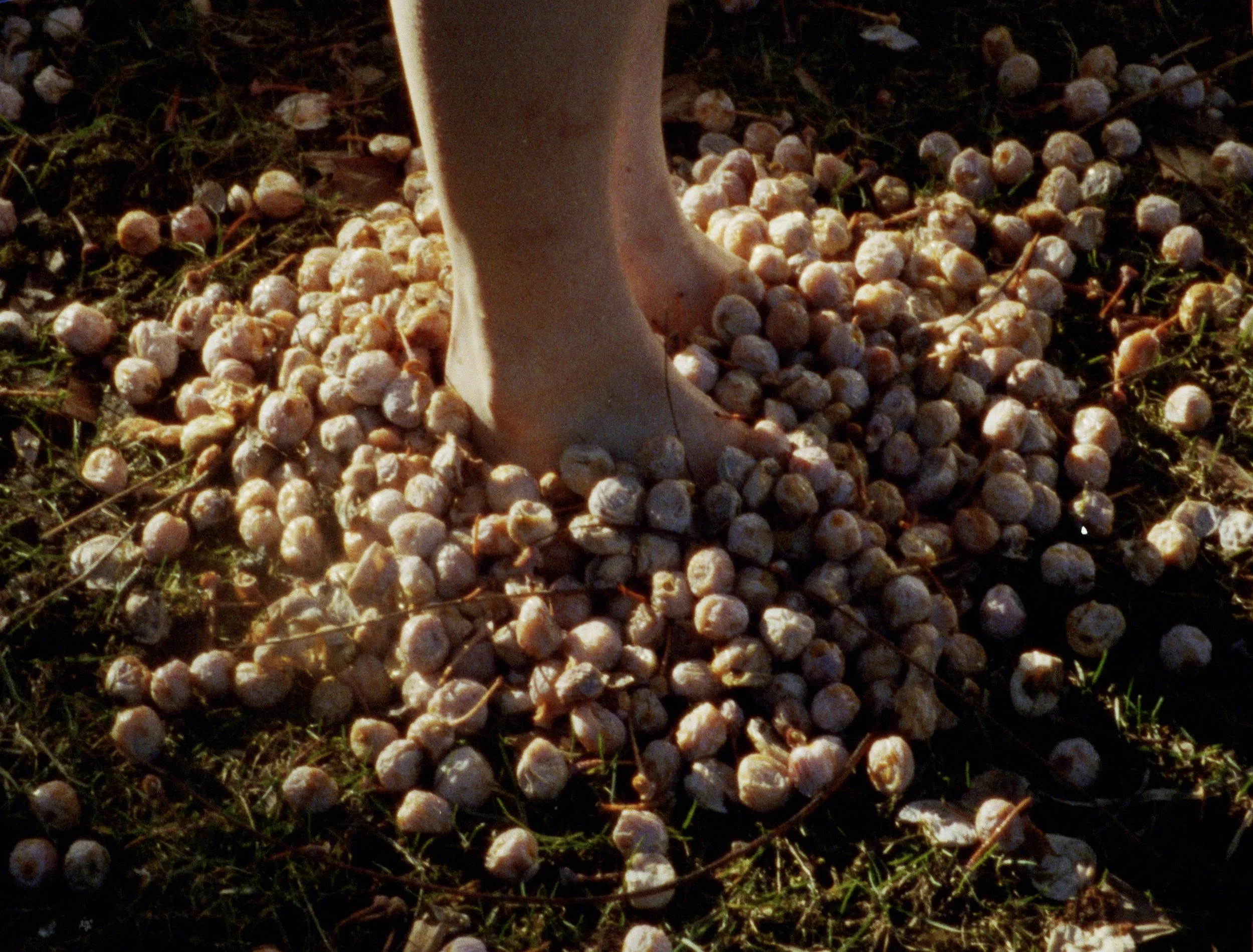
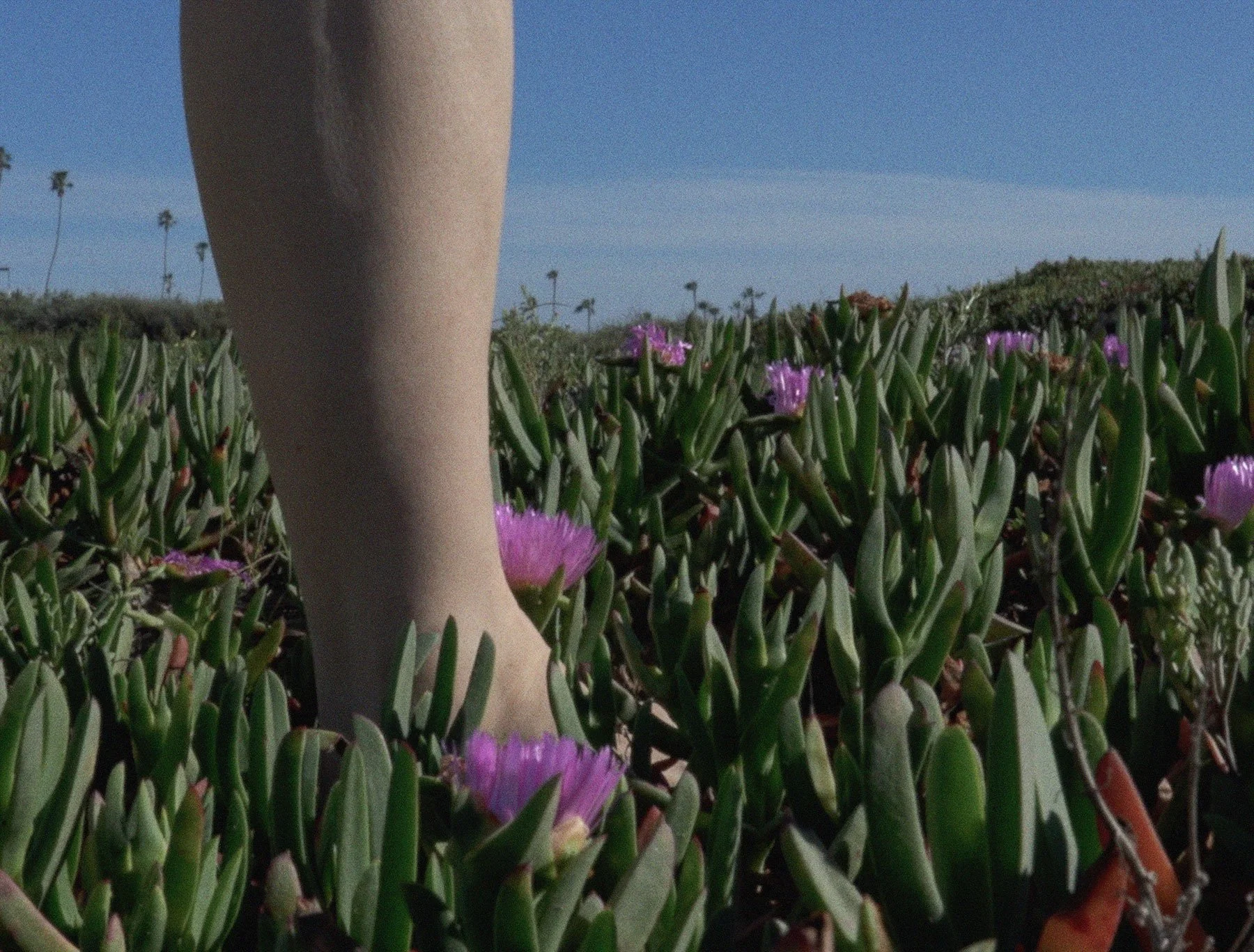
I have long been troubled by how few stories of Chinese women exist in the early history of Chinese immigration to the United States. That sense of absence led me to Afong Moy, the first documented Chinese woman to arrive in the United States in 1834. I was struck less by what history remembered about her than by what it had suppressed. Newspapers and journals described Moy’s bound feet, clothing, and mannerisms in obsessive detail, yet nothing was recorded in her own voice. After 1850, she disappeared from the historical record entirely.
While researching her story, I learned that a Chinese ginkgo tree was brought to New York and planted around the same time. Unlike Moy, the tree remains. It has stood quietly in the city for nearly two centuries, bearing witness to generations of immigrants whose stories have been forgotten. I began to imagine the tree not simply as a symbol, but as another transplanted body, one that has endured.
The Chinese Lady is not an attempt to reconstruct Afong Moy's biography. Instead, it inhabits the space between archive and imagination. Fragments of nineteenth-century texts are woven together with dreamlike imagery, allowing historical documents to dissolve into memory, myth, and speculation. The film seeks to restore a sense of presence to someone whose life survives only in scattered traces.
As an artist who also left China to build a life elsewhere, I am drawn to the quest of migration, belonging, and the ways landscapes carry memory. Throughout my practice, I use documentary observation, montage, and poetic intervention to reveal the unseen relationships between people, places, and the passage of time. In The Chinese Lady, these concerns converge in the intertwined figures of a woman and a tree, whose real journey across the Pacific becomes grounds for an imagined act of return.